How to Evavluate Activewear Fabric Quality: A Wholesale Buyer’s Guide
Learn how to evaluate activewear fabric quality, including GSM, stretch recovery, opacity, pilling, shrinkage, colorfastness, and bulk consistency.
When sourcing activewear, buyers often begin with two questions:
What is the fabric composition?
What is the GSM?
Both are important, but neither tells the complete story.
Two fabrics can have the same nylon-spandex composition and the same weight, yet perform very differently after stretching, washing, and repeated wear. Yarn quality, knitting density, dyeing, finishing, cutting, and construction all influence the final garment.
For wholesale buyers, fabric quality is not only about how a product feels when it first arrives. It affects customer reviews, return rates, repeat purchases, and the long-term reputation of your store.
Before placing a larger activewear order, here are the most important quality factors to evaluate.
1. Fabric Composition Is the Starting Point, Not the Final Answer
A fabric label tells you which fibers are used, but it does not automatically tell you whether the fabric is high quality.
Common activewear fabric combinations include:
Nylon and spandex: Often selected for a smooth handfeel, flexibility, and a more premium appearance.
Polyester and spandex: Frequently used for durable, practical, and price-competitive performance apparel.
Cotton and spandex: Common in casual activewear, basic T-shirts, yoga tops, and lifestyle collections.
Recycled polyester or recycled nylon blends: Used by brands developing collections with recycled-content requirements.
The fiber percentages matter, especially the amount of spandex used. However, performance also depends on the quality of the yarn, the knitting structure, fabric density, finishing process, and garment construction.
For example, a high spandex percentage does not automatically guarantee better recovery. A fabric may stretch well but still become loose at the knees, waistband, or seat after extended wear.
Wholesale buyers should therefore evaluate the finished garment rather than approving a product based only on its composition.
2. Understand What GSM Actually Tells You
GSM means grams per square meter. It measures the weight of the fabric.
A higher GSM fabric is generally heavier, while a lower GSM fabric is generally lighter. However, GSM should not be treated as a universal quality score.
A heavier fabric is not always better.
The right fabric weight depends on the product and its intended use:
Lightweight fabrics may work well for running tops, summer T-shirts, and breathable layers.
Midweight fabrics are often suitable for sports bras, yoga shorts, and everyday leggings.
Heavier fabrics may provide greater coverage and compression for certain leggings or training styles.
GSM does not tell you everything about opacity, softness, recovery, pilling resistance, or breathability. A well-knitted midweight fabric may provide better coverage than a heavier fabric with a looser construction.
Instead of asking only, “What is the GSM?” buyers should also ask:
How dense is the knit?
Does the fabric become transparent when stretched?
Does it return to its original shape?
How does it perform after washing?
Is the same fabric available consistently for repeat orders?
3. Test Stretch and Recovery Together
Stretch and recovery are related, but they are not the same.
Stretch describes how far the fabric can expand.
Recovery describes how well it returns to its original shape afterward.
This difference is especially important for leggings, biker shorts, sports bras, fitted tops, and compression garments.
A simple sample test can reveal a great deal:
Stretch the fabric several times in different directions.
Hold it in an extended position for several seconds.
Release it and check whether it quickly returns to its original shape.
Try on the garment and wear it for an extended period.
Look for looseness around the knees, waistband, elbows, or seat.
Poor recovery can make a new garment look worn after only a few uses. For retailers, that can lead to complaints even when the product looked good during the initial inspection.
4. Check Opacity Under Real Stretch
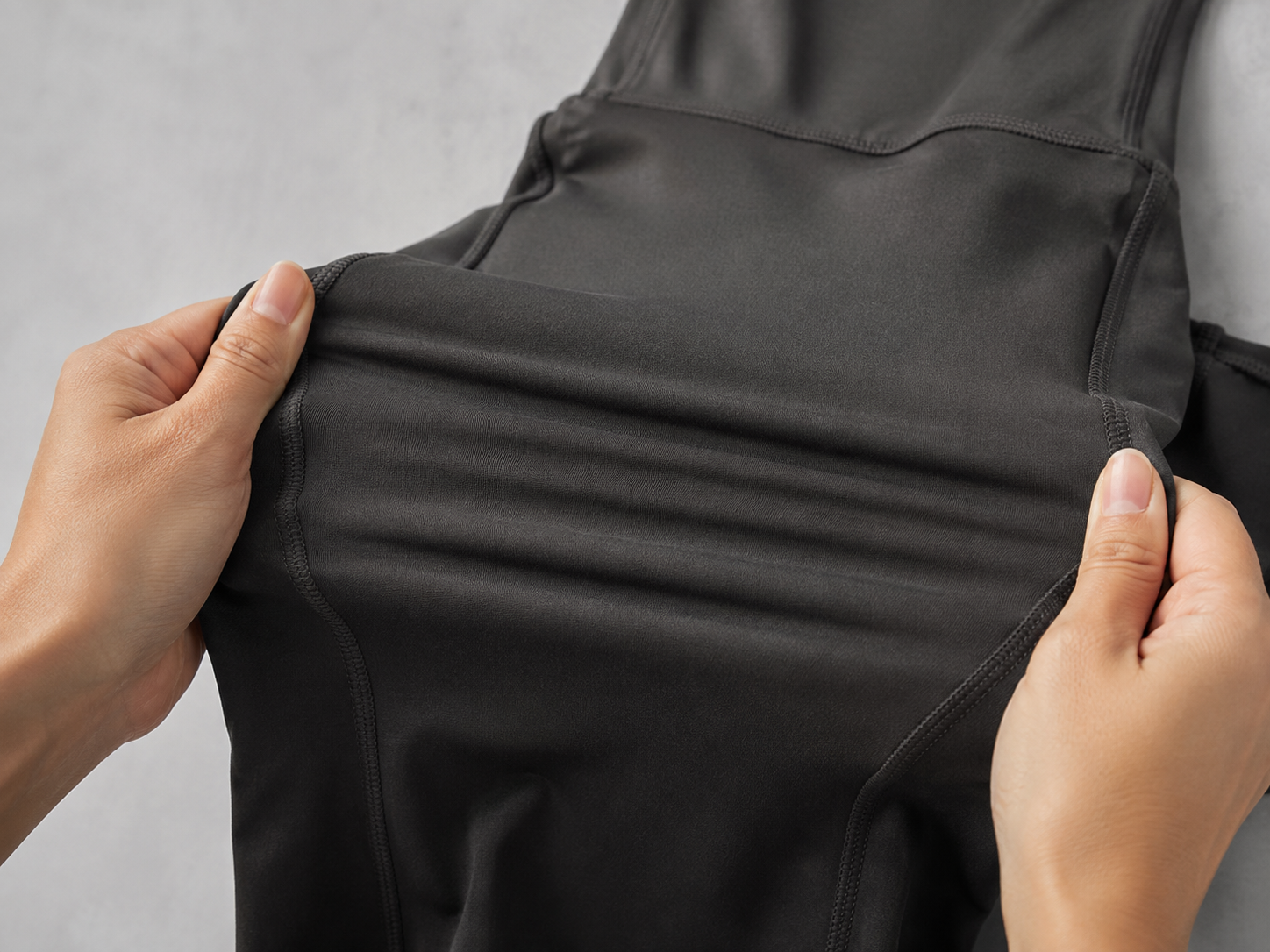
A fabric may look fully opaque while lying flat but become transparent when worn.
This is one of the most important tests for leggings and fitted shorts.
To evaluate opacity properly:
Stretch the fabric in both directions.
Test light and dark colors separately.
Inspect the garment under natural light and bright indoor lighting.
Wear the correct size rather than testing only an oversized sample.
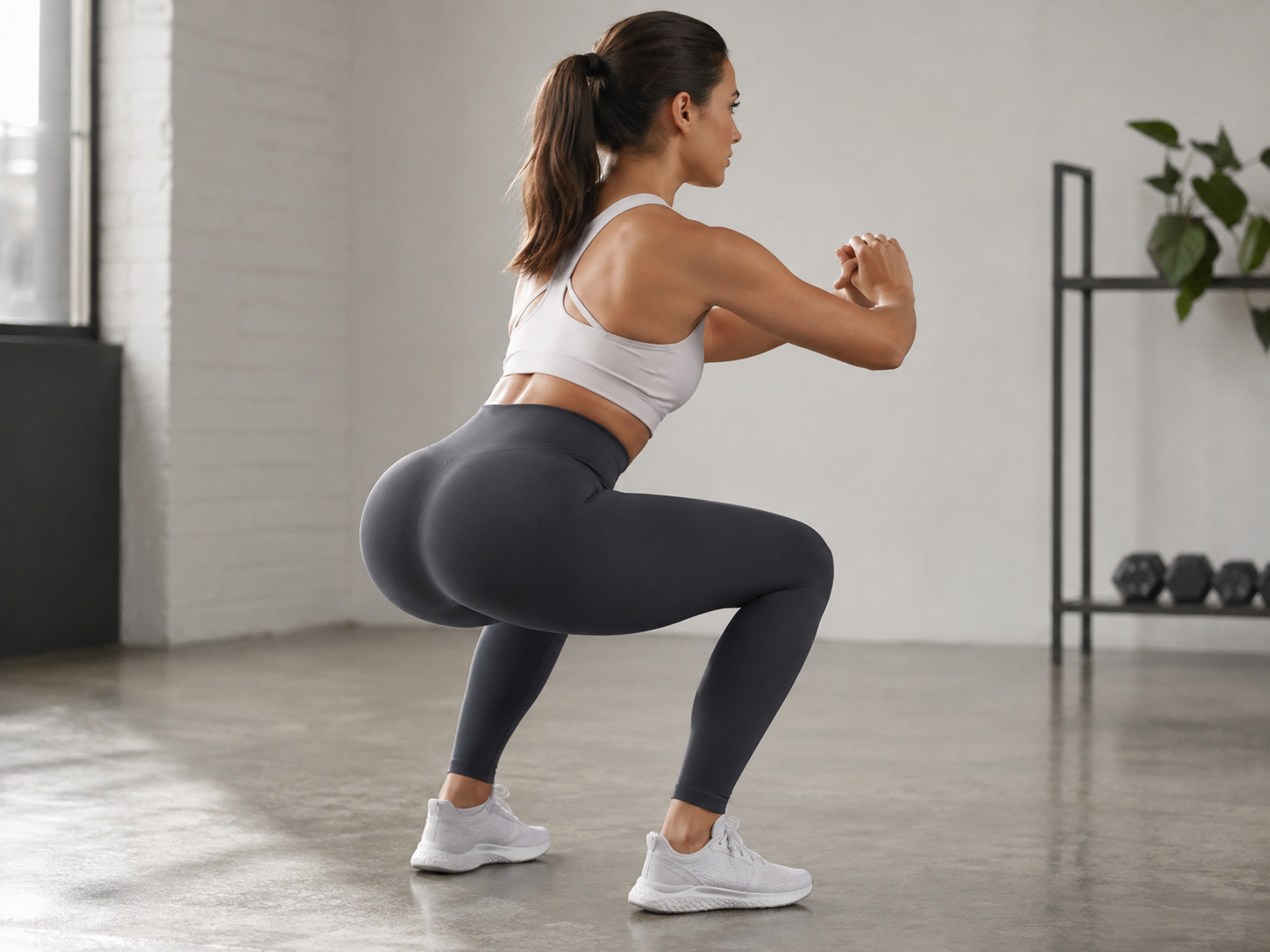
Perform bending, squatting, and movement tests.
Color can affect coverage. Black fabric may pass an opacity test while a light beige, white, or pastel version of the same fabric construction may not.
That is why buyers should approve each important color group rather than assuming every color will perform exactly the same.
A “squat-proof” result also depends on correct sizing. Even a well-developed fabric may become more transparent when it is stretched beyond its intended fit range.
5. Evaluate Handfeel, Compression, and Intended Use
“Soft” is not a complete fabric specification.
Different customers expect different wearing experiences. A yoga customer may prefer a smooth, soft, second-skin feel. A training customer may want firmer compression and stronger support. A lifestyle customer may prioritize comfort and appearance over technical performance.
When reviewing samples, describe the fabric more specifically:
Is it brushed or smooth?
Is the surface matte or shiny?
Does it feel cool or warm?
Is the compression light, medium, or firm?
Does it feel supportive or restrictive?
Does it have a dry handfeel or a buttery handfeel?
Is it suitable for low-impact or high-impact activities?
These details help buyers match the product to the right customer and price point.
The best fabric is not necessarily the softest or thickest one. It is the fabric that performs correctly for the intended product.
6. Look for Pilling and Surface Damage
Pilling occurs when fibers become tangled and form small balls on the fabric surface. It is a common performance concern for knitted apparel and can be influenced by the fiber, yarn, fabric construction, finishing, friction, and laundering.
High-friction areas deserve special attention, including:
Inner thighs
Underarms
Waistbands
Seat areas
Areas that rub against bags or equipment
A practical evaluation should include both wear testing and washing. Rub the fabric against itself, wear the sample during normal activity, and inspect it after several wash cycles.
Some light surface change may occur over time, especially with very soft brushed fabrics. The key question is whether the level of pilling is reasonable for the garment’s price point and intended use.
7. Test Colorfastness, Especially for Dark Colors
Colorfastness describes how well a fabric retains its color and resists transferring dye.
This is particularly important for:
Black and dark-colored leggings
Bright fashion colors
Matching activewear sets
Garments worn during heavy workouts
Styles combined with light-colored panels or logos
Color can react differently to washing, water, rubbing, perspiration, and light exposure. These are evaluated through separate textile test methods rather than one universal “color test.” AATCC, for example, maintains different methods for colorfastness to perspiration, water, rubbing, and light.
For an initial sample review, buyers can perform a few simple checks:
Rub a damp white cloth against the fabric.
Wash dark colors separately and inspect the wash water.
Check whether dye transfers onto light-colored fabric.
Compare the garment before and after washing.
Test perspiration-prone areas during wear.
For larger orders or products with strict performance requirements, standardized laboratory testing provides more reliable data.
8. Measure Shrinkage and Shape Retention
Shrinkage is another common issue in knitted apparel. It can be influenced by fiber type, fabric construction, processing, finishing, and washing conditions.
Before washing a sample, measure key areas such as:
Total garment length
Chest or bust width
Waist
Hip
Inseam
Sleeve length
Wash the garment according to the intended care instructions, let it dry, and measure it again.
Do not look only at the total percentage of shrinkage. Also check whether the garment has twisted, become uneven, lost its original shape, or developed wavy seams.
For sets, confirm that the top and bottom continue to look consistent after washing. Different fabrics or trims may react differently even when they are used in the same outfit.
9. Fabric Quality Cannot Be Separated from Construction
A good fabric can still become a poor-quality garment when construction is weak.
When inspecting activewear samples, review:
Stitch consistency
Seam strength
Loose threads
Uneven hems
Skipped stitches
Waistband attachment
Elastic recovery
Bartacks at stress points
Logo and label placement
Symmetry between the left and right sides
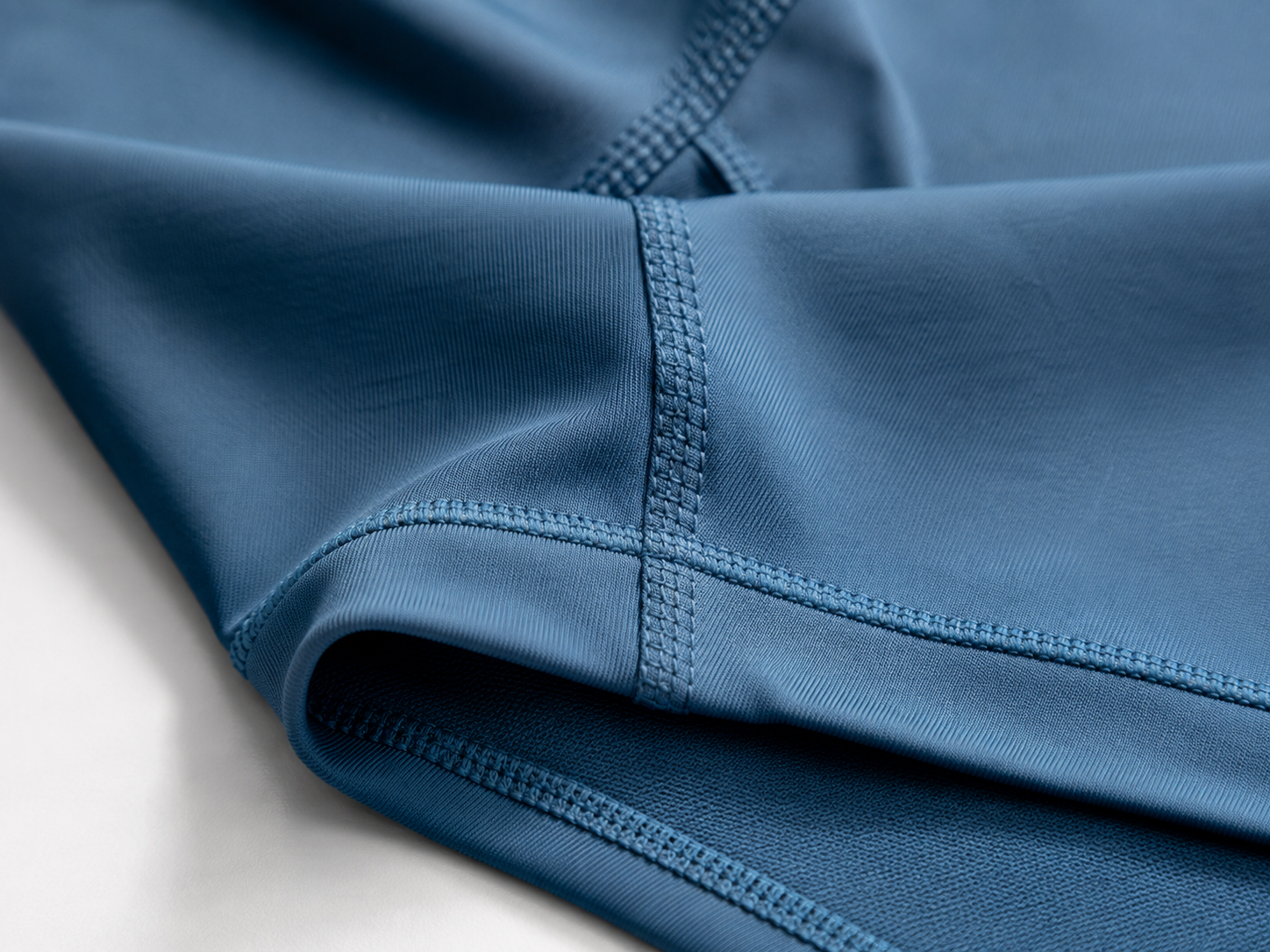
Flatlock seams may help reduce bulk in some activewear styles, while reinforced seams can improve strength in high-stress areas. The appropriate construction depends on the design and intended activity.
Buyers should stretch the seams as well as the fabric. If the fabric stretches but the thread or seam construction does not, stitches may break during wear.
10. Confirm Sample-to-Bulk Consistency
A strong sample is only useful when bulk production can reproduce it consistently.
Before confirming a larger order, establish an approved reference sample and record the important specifications:
Fabric composition
Fabric weight
Color
Handfeel
Stretch and recovery
Measurements
Stitching method
Logo size and placement
Labels and packaging
During bulk production, small differences can occur between dye lots, fabric batches, and finishing runs. Clear tolerances and approved references help reduce misunderstandings.
When possible, compare pre-production or bulk samples with the original approved sample before the entire order is completed.
For repeat orders, ask whether the same fabric code and construction can be maintained. A visually similar replacement fabric may not have the same stretch, recovery, handfeel, or wash performance.
11. Review Labels and Product Information
Wholesale buyers selling apparel in the United States should also review product labeling.
Most textile products sold in the U.S. must include information such as fiber content, country of origin, and the identity of the manufacturer or another responsible business.
Before approving bulk production, confirm:
Fiber content wording
Country-of-origin information
Brand or responsible business identification
Care instructions
Size labels
Placement and readability
Packaging requirements
Label details should be reviewed early, particularly for private-label orders. Waiting until production is complete can make corrections more expensive and time-consuming.
A Practical Activewear Sample Checklist
Before placing a wholesale order, ask the following questions:
Does the fabric match the intended activity and customer?
Is the garment opaque under movement and stretch?
Does it recover after repeated stretching?
Does the waistband remain secure and comfortable?
Are the seams strong and flexible?
Does the color transfer when wet or rubbed?
Does the garment retain its shape after washing?
Is pilling acceptable after wear testing?
Are measurements consistent across sizes?
Can the supplier reproduce the same quality in bulk?
Are the fiber, care, origin, and brand labels correct?
Can a sample be reviewed before a larger order?
Final Thoughts
Fabric quality cannot be judged by one number, one fiber percentage, or one first impression.
For wholesale buyers, the most reliable approach is to evaluate the complete garment: fabric construction, stretch recovery, opacity, colorfastness, wash performance, stitching, fit, and production consistency.
A slightly lower unit price may look attractive at first. But when a product loses shape, becomes transparent, pills quickly, or generates customer returns, the real cost can be much higher.
At Ezee Wholesale, we support wholesale buyers with ready-to-order apparel as well as custom development options. Buyers can review samples first to check the fabric, fit, stitching, and overall quality before moving forward with a larger order.
Explore our wholesale apparel collection or contact us to discuss samples, pricing, and custom production.